
The Longview Independent School District Board of Trustees received an update on the Longview High School renovations, approved the purchase of new Chromebooks and other electronics, heard the stats for how the first full year of the Wellness Pointe clinic at LHS performed, received updates on current bond construction, and governance items during its regular meeting on April 20, 2026.
Summer Renovations
Longview ISD officials received an update from Mr. John Erickson IV, owner-operator of E4 Contracting, on ongoing bond-funded renovation projects, highlighting significant progress at Longview High School and across athletic facilities. The update focused on current construction efforts, upcoming projects, and planning for future improvements across the district.
Mr. Erickson shared that preparations were underway for the next phase of renovations at the high school, with work set to begin immediately after the school year ends.
"Renovations is gearing up for the second round of renovations at the high school," Mr. Erickson said, noting that district staff had spent months coordinating with teachers and administrators to ensure readiness.
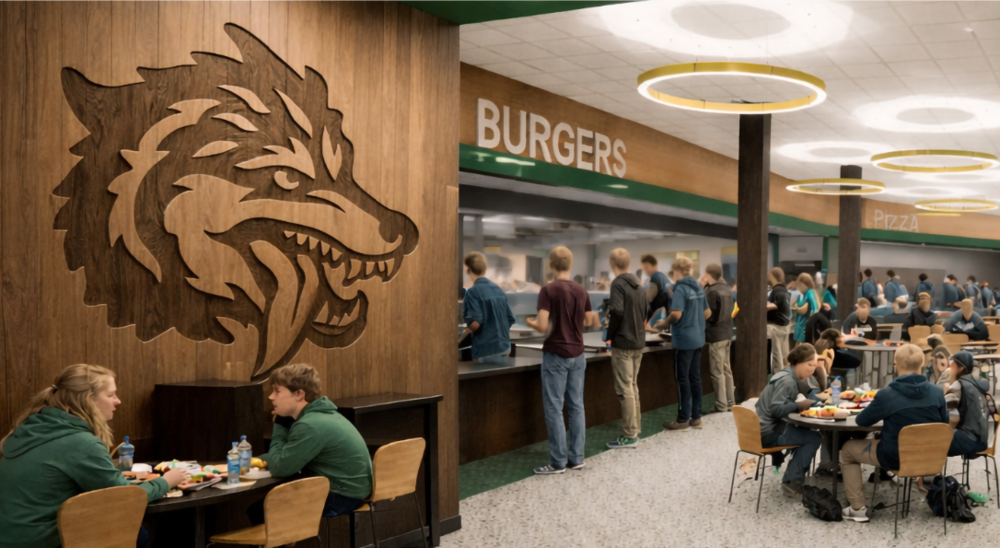
The summer work will focus heavily on the first floor of the campus, including classrooms and hallways, while also beginning improvements on portions of the second floor. In addition, major projects, such as restroom renovations and a dining hall expansion, are scheduled to begin as soon as students leave for summer break.
"We’ll have approximately 10 weeks to get the bulk of the restrooms done and the dining hall expansion completed," Mr. Erickson explained. He added that construction schedules would be carefully planned to minimize disruptions to student activities once the school year resumes.
Athletic facility improvements are also moving forward. He reported that construction on the softball complex is nearing completion, with the playing surface substantially finished and final items being addressed through a punch list. Additional work, including concession stands and support buildings, is progressing on schedule.
Looking ahead, the district is beginning early planning for future upgrades to athletic facilities, including Lobo Stadium, baseball, and soccer complexes. "That’ll take several months to get all that stuff designed," Mr. Erickson said, emphasizing the importance of careful planning before construction begins.
He also noted that coordination with the City of Longview has been an ongoing factor in project timelines, particularly regarding permitting. Despite those challenges, Mr. Erickson indicated that current projects remain on track and within expectations.
District leaders emphasized the importance of clear communication moving forward, particularly regarding construction timelines and potential impacts on student activities. Mr. Erickson acknowledged past challenges and reaffirmed the district’s commitment to improving coordination as projects continue.
Overall, the update reflected steady progress on bond-funded projects, with significant work scheduled for the summer months and additional planning underway to modernize facilities across the district.
New Construction
Longview ISD officials also received an update on new construction projects funded through the district’s bond program, with Mr. Paul Miller, project manager for Procedeo, outlining progress on several major initiatives, including the Career and Technical Education (CTE) expansion, auditorium project, and Early Childhood Learning Center.
Mr. Miller began by noting adjustments to how project budgets are being tracked to provide greater clarity. He explained that certain funding categories have been separated to ensure more accurate reporting as projects move from design into construction phases.
Several projects are now actively under construction, including the CTE expansion, where crews have made steady progress despite weather-related delays. "SCI is doing a phenomenal job," Mr. Miller said. "They’ve gone to 12-hour days and worked weekends to make up for those rain days."
Current efforts at the CTE site are focused on foundation work and structural preparation, with crews working to complete critical infrastructure before vertical construction begins. Mr. Miller noted that progress remains strong as teams move into the next phase of development.
The district’s new auditorium project is also advancing, with site preparation and grading already underway. Construction teams have recently begun excavation work, marking another milestone in the project’s early stages.
At the early childhood learning center site, progress has been temporarily slowed by City of Longview permitting requirements. Mr. Miller explained that concerns related to drainage led the district to revise plans to include a detention pond to manage stormwater runoff.
"We are on hold right now until we get the drainage situation resolved with the city," Mr. Miller said, adding that the district is working through minor revisions and expects approval in the near future. Once permits are secured, construction can move forward.
To avoid similar delays on future projects, Mr. Miller noted that the district is taking a proactive approach to the transportation facility project by incorporating drainage solutions during the design phase. "We don’t want to wait until we’re at 100% drawings and then have delays," he said.
Mr. Miller emphasized that overall progress across bond projects remains positive, with multiple projects moving forward simultaneously and careful planning helping to keep timelines on track.
The update highlighted the district’s continued investment in modernizing facilities and expanding capacity, ensuring that new and improved learning environments are available for students and staff in the years ahead.
Wellness Pointe Clinic Reviews 2025-26
During its first full year of operating as a full-service school-based clinic, Longview ISD’s clinic demonstrated early impact in expanding access to both medical and mental health care for students and staff. A more limited clinic model had operated previously as construction delays pushed completion of the full-service facility to late April 2025, with staff moving into the new space on May 2. The 2025-26 school year ultimately marked the first complete year of service delivery, providing a clearer picture of how the clinic was being utilized and where needs were emerging.
Clinic data reflected both reach and demand. A total of 119 unique patients were served during the year, including 95 individuals who accessed mental health services and 25 who received medical care (one patient accessed both services). Nearly two-thirds of those served were students, underscoring the clinic’s role in supporting student well-being. Mental health services accounted for the majority of utilization, signaling a significant need for on-campus behavioral health support.
In addition to patient counts, the clinic tracked total encounters, which included every visit made. Because a single individual could receive services multiple times, and in some cases access both medical and mental health care, the number of encounters exceeded the number of unique patients. Over the course of the year, the clinic recorded 371 total encounters, including 338 related to mental health and 29 for medical services.
Students represented approximately 74 percent of all encounters, reinforcing the clinic’s importance as a student-centered resource. The high school campus served as the primary access point, accounting for the majority of visits.
“Having medical and mental health support on campus helped remove barriers that parents might face in getting their child to appointments,” said Wellness Pointe CEO Mr. Chad Jones, highlighting the convenience and accessibility the clinic provided.
On the medical side, the most common reasons for visits included sick appointments, sports physicals, and chronic disease management. These routine but essential services ensured that students remained healthy and engaged in school activities. Meanwhile, mental health visits addressed a range of concerns, including anxiety, grief, trauma, and other higher-acuity needs.
The types of mental health concerns seen throughout the year further emphasized the importance of having accessible, school-based support. Among students, issues such as suicidal ideation, self-harm, adjustment disorders, bullying, and mood dysregulation were reported. Faculty members also sought support for concerns including trauma, anxiety, depression, and relationship challenges. These trends highlighted the broad impact of mental health needs across the school community.
Mr. Jones acknowledged that, while utilization was still growing, the early data already demonstrated a meaningful impact.
“Since this was the first year of operation for the full clinic, we were still in the early stages of growth and streamlining interagency processes, but the need and the impact were already clear,” he said. Efforts were ongoing to refine workflows and improve coordination between partners.
Several opportunities for improvement were also identified. Increasing parent awareness of the clinic remained a priority, as some families had expressed surprise at its availability. Additional focus areas included improving the consent process to ensure timely care, continuing to educate staff on privacy protections, and clarifying referral pathways to make it easier for students to access services when needed.
The update concluded with a forward-looking initiative aimed at supporting future healthcare professionals. Two $1,000 scholarships, funded by Wellness Pointe, were introduced for LISD seniors pursuing careers in the medical field. The scholarships are set to be awarded on April 30, providing both recognition and encouragement for students interested in continuing the cycle of care within their community.
Replacing Technology
Longview ISD officials approved a significant investment in instructional technology aimed at improving classroom reliability and supporting long-term device sustainability across the district. The proposal called for approval to purchase Chromebooks and other technology equipment using designated fund balances, with a total not to exceed $1,000,000. District leaders noted that the request was designed to address immediate needs while also establishing a more structured approach to future technology replacements.
The rationale for the investment centered on the age and condition of existing equipment. A large portion of the district’s inventory—including Chromebooks, smartboards, and desktop computers—had exceeded its useful life. Many of these devices were between seven and ten years old or had originally been purchased with ESSER funds, making them increasingly unreliable for daily instructional use.
As devices aged, performance issues had become more frequent and more disruptive. Staff reported challenges such as diminished battery life, inconsistent functionality, and general reliability concerns. These issues not only affected classroom instruction but also created barriers to maintaining continuity in teaching and learning, as well as reducing overall staff productivity.
District leaders emphasized that the proposed investment would directly address those concerns by replacing aging Chromebooks that were no longer dependable for student use. In addition, the plan included launching a structured refresh cycle for instructional technology devices, ensuring that equipment would be replaced on a more predictable and sustainable schedule moving forward.
The proposal also included the initial replacement of outdated smartboards and desktop computers, further modernizing classroom environments. By addressing multiple categories of technology at once, the district aimed to create a more consistent and reliable experience for both students and staff, reducing interruptions and improving day-to-day operations.
“This represents a district investment in end-user devices and reflects a sustained commitment to ensuring students and staff have the tools needed to support a smooth and effective learning environment,” said Ben Wood, Chief Technology Officer. His statement underscored the district’s focus on maintaining high-quality resources that directly support instruction.
Timing also played a critical role in the recommendation. District officials noted that the technology market was experiencing significant pricing volatility, with vendor quotes only guaranteed for short periods—typically one to two weeks. Manufacturers had also indicated that prices could rise sharply in the near term, in some cases by as much as 200 percent.
By acting promptly, the district aimed to secure more favorable pricing and avoid higher future costs. Officials indicated that all expenditures would be carefully managed to remain within the approved $1,000,000 threshold, ensuring fiscal responsibility while addressing urgent technology needs. The proposed investment represented both a response to current challenges and a proactive step toward a more stable and sustainable instructional technology framework.
In other Business
During the course of the meeting, the Longview ISD Board of Trustees also:
APPROVED the Minutes and Board Time Use Tracker from the February 27, 2026, Regular Meeting;
APPROVED the 2025-26 2nd Quarter Investment Report;
APPROVED the request from the Gregg County Tax Assessor-Collector to Waive Property Tax Penalties and Interest for the 2024 and 2025 taxes for account #35605
APPROVED the Budget Amendment #7; and
APPROVED Budget Amendment No. 2.
For more info
Trustees usually meet in the boardroom of the Longview ISD Education Support Center (1301 E. Young Street). The next regular meeting is tentatively scheduled for 6 p.m. May 18, 2026.
For more information about the Longview ISD Board of Trustees, please click here.