

In the spring of 2024, Longview ISD faced a crossroads. What followed wasn’t just an election—it was a cultural reset, powered by voices across the community.

Part I: The Passage
The results came in fast. FIVE FOR FIVE. By 8:05 p.m. on May 4, 2024, the community of Longview had done something historic—and done it decisively.
All five propositions of the Longview ISD bond election passed with a strong majority, authorizing more than $456 million in sweeping improvements to campuses, security, transportation, technology, and new facilities across the district.
For many, it felt like a generational turning point.
 “We knew we were out of chances,” said Mr. Michael Tubb, Longview ISD Board President. “This was bigger than buildings. It was about whether this community still believed in itself—and in its kids."
"When the vote came back yes, I felt the ground settle. Like we’d finally turned the page," Mr. Tubb added. "Now it’s on us to make sure this story was worth saying yes to.”
That sense of relief, and responsibility, rippled across every corner of the district.
For the people who had spent weeks knocking doors, talking to the community, answering hard questions, and walking side by side with neighbors—they knew what this moment meant.
 “It was about excellence,” said Ms. Karen Haas, a civic-minded LISD parent with strong ties to Longview’s business and philanthropic community. “About saying that our kids—all of our kids—deserve the kinds of facilities and programs that make people want to move here. To stay here. To believe in public education again.”
Ms. Haas was one of several leaders behind the Vote Yes For Longview ISD Kids PAC, a diverse, grassroots group of parents, pastors, business owners, and alumni who organized relentlessly in the weeks and months leading up to the election.
The level of detail mattered to supporters like Mr. Thomas Norris, a deeply respected and conscientious voice in the Longview community.
“You could tell this wasn’t a wish list—it was a blueprint,” Mr. Norris said. “They weren’t just asking us to hope. They were showing us a plan.”
 One of the most passionate voices belonged to Ms. JoCarol Cox, a longtime advocate and fierce defender of LISD students and staff.
“People tried to divide us, either politically or economically or even racially—they tried to pit districts or parts of town against each other—or say this bond was too much, too soon,” she said. “But we knew the truth: this bond was for the kids. And for once, most of Longview voters believed and understood.”
 Mr. Krupal Patel, an active Longview ISD parent and local entrepreneur, knocked doors and spoke at neighborhood meetings—even among those who had questions or hesitations.
"People wanted transparency. They wanted assurance,” Mr. Patel said. “And when they saw how thorough the plan was—how thoughtful—it built a quiet confidence. Not hype. Trust.”
 That trust didn’t come easily. The 2024 bond proposal marked the district’s third attempt in recent years to secure voter authorization for major facility upgrades. After two failed elections, the LISD Board of Trustees worked with district staff and consultants to refine the scope, engage the community, and rebuild confidence.
 At one event, Mr. Joe Weber stood at the front of the group, voice rising with conviction. A business owner and parent, Weber had become known for his boundless energy and relentless advocacy.
“We’re not trying to catch up to the big city suburban districts,” he told those in attendance. “We’re trying to compete with and even surpass them. Because we can. Because this is Longview! We're the Lobos!”
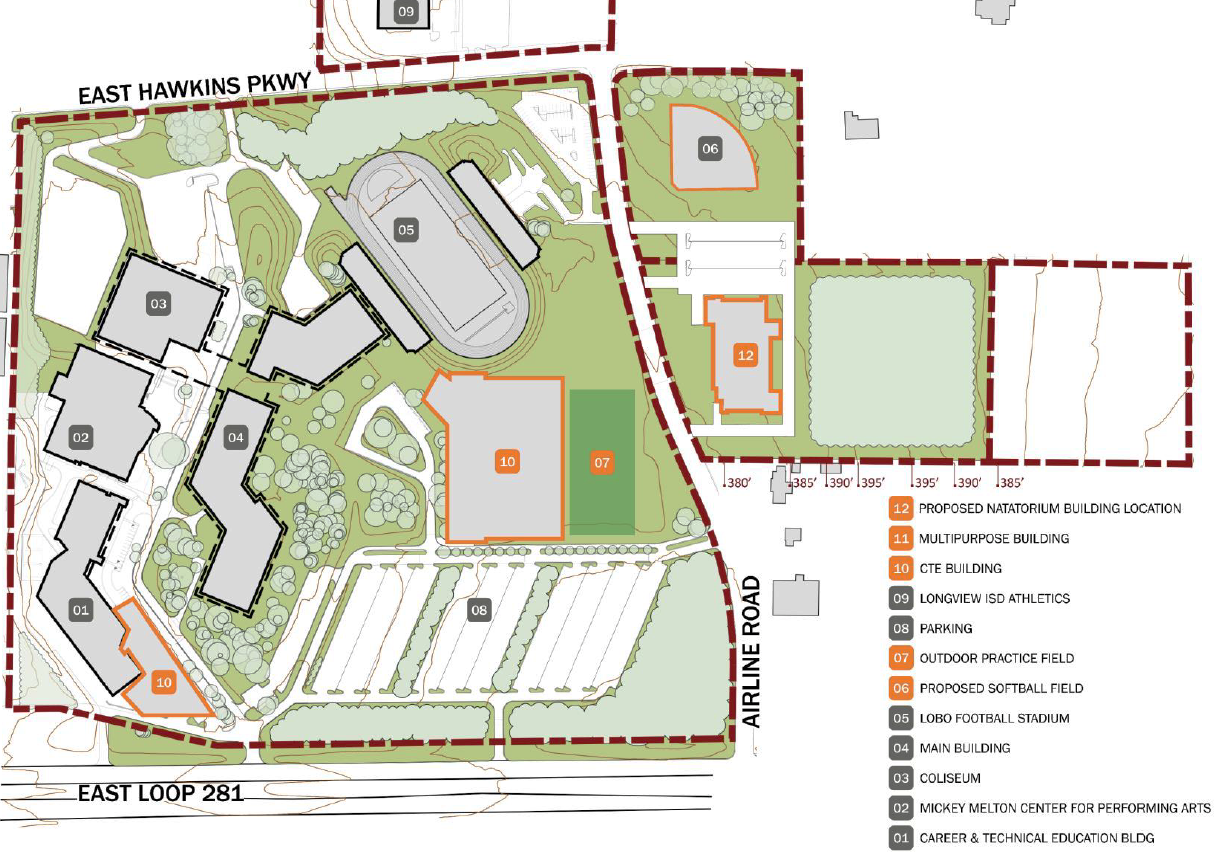
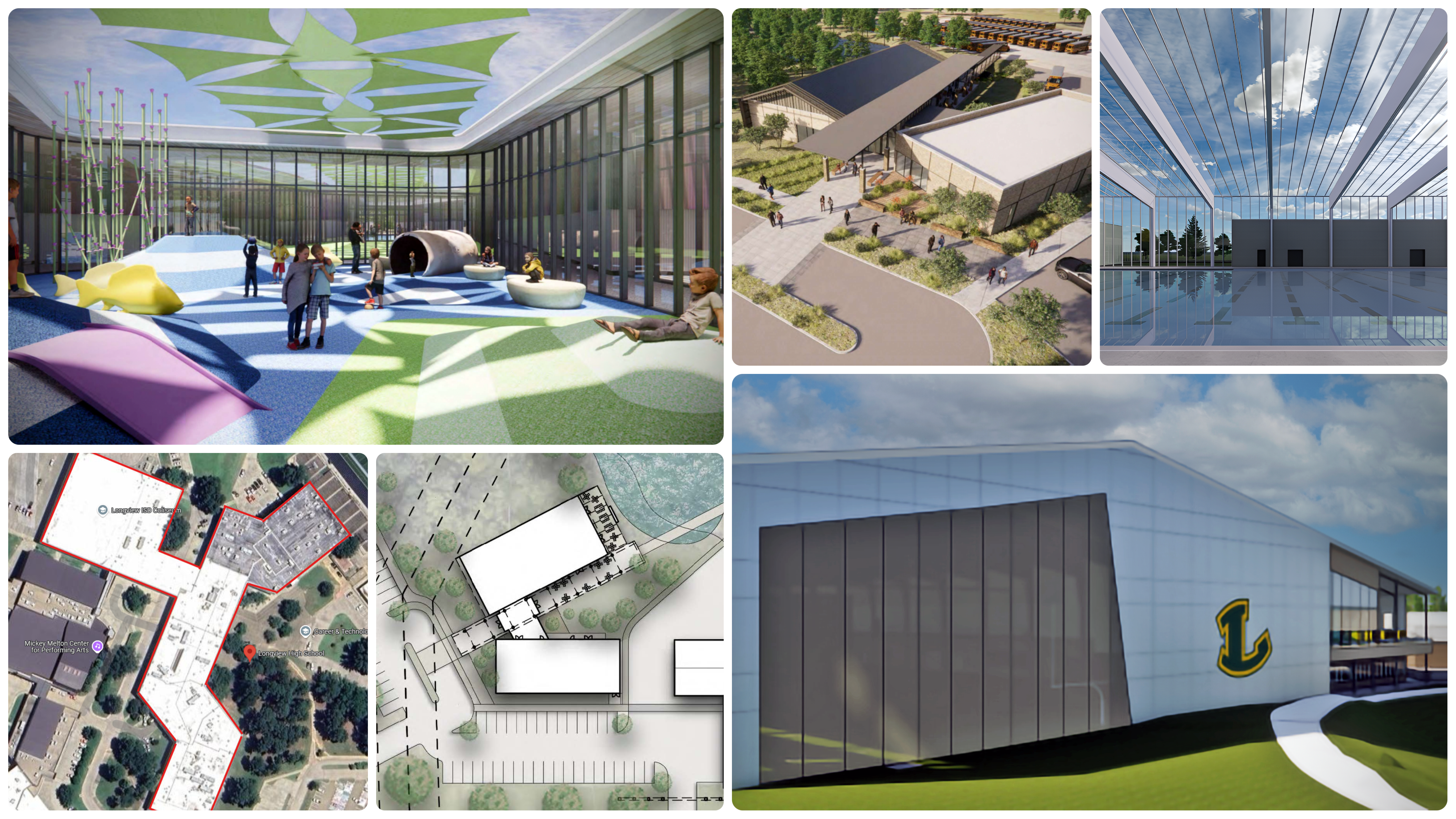
The propositions themselves addressed a sweeping range of needs—from modernizing outdated elementary schools to building a new Early Childhood Center, Career and Technical Education hub, multipurpose indoor facility, and natatorium. Safety upgrades, bus fleet modernization, and ADA improvements were woven throughout the plan.
 “This bond wasn’t rushed. It was shaped,” said Mr. Jesús Mancha, treasurer of the PAC and a tireless volunteer with ties to the restaurant and business community across the city. “The district listened. The trustees listened. And we took the time to build something that reflected the real needs of our students.”
On election night, Mr. Mancha, like his fellow PAC members—men and women of every background—watched results roll in from every corner of Longview.
“I remember feeling at peace,” he said. “We knew we had done the work. And when the people spoke, they spoke with clarity.”
For lifelong residents who had seen generations come and go, the tone was hopeful.
 Ms. Marie Edwards, a proud Lobo parent and grandmother, a Longview ISD alum, and lifelong resident of the community, said it plainly.
“I’ve waited a long time for this. And I’m proud of our city for saying yes,” she said.
Only later, after the dust had settled, did Rev. LaDarian Brown reflect on the deeper meaning.
 “This bond wasn’t about buildings,” said Rev. Brown, a Longview ISD alum, pastor, father of young LISD students, and spokesperson for the Longview Police Department. “It was about affirming that our children are worth the investment. That their future matters. That we believe in them—even when the world tries to say otherwise.
As the final tallies came in, celebrations erupted at homes, churches, and watch parties across the city.
The victory was more than a financial approval—it was a cultural shift. A shared moment of civic clarity.
 For Mr. Matthew Prosser, then Director of Communications & Community Relations, the mood in the days that followed was part gratitude, part resolve.
“The triumph at the ballot box was really just the starting line,” he said. “The real work was only just beginning.”
Part II: The Alignment
After the vote came the silence. No parades. No ribbon-cuttings. Just meetings—dozens of them.
The day after Longview ISD’s historic bond passed, district staff returned to work knowing the spotlight was now on implementation. And not the kind that plays well on Instagram.
 “This part of the process isn’t loud,” said Dr. Wayne Guidry, Chief Financial Officer. “It’s legal reviews, compliance audits, bond draw-down schedules. It’s a lot of front-loaded rigor so you don’t make expensive mistakes down the line.”
From May through the end of summer 2024, the district’s focus was inward: aligning legal timelines, onboarding construction partners, negotiating design scopes, and laying the internal framework for a multi-year execution plan that would eventually span every corner of the district.
 In July, trustees approved architectural firms for both the Early Childhood Center and districtwide safety upgrades—Propositions A and E—signaling the start of formal design work. By Oct, 21, 2024, the Board had adopted the first official construction and renovation timelines, giving the bond effort a visible structure even before documents had been finalized.
“There’s no marching band for procurement schedules,” said Mr. Prosser, who now serves as the district's Chief of Strategic Initiatives. “No one cheers for bid tabulations or contract language. But if you don’t do those things right, nothing else works.”
Meanwhile, the LISD Board of Trustees was preparing for a major leadership transition.
 On June 25, 2024, trustees officially hired Dr. Marla Sheppard as Superintendent of Schools. A respected instructional leader and systems thinker, Dr. Sheppard stepped into a district already in motion—and brought immediate clarity.
“Dr. Sheppard didn’t ask us to slow down,” said Dr. Guidry. “She asked us to show her the systems. The playbook. Dr. Sheppard wanted to know where we were, what was vulnerable, and how to accelerate where possible.”
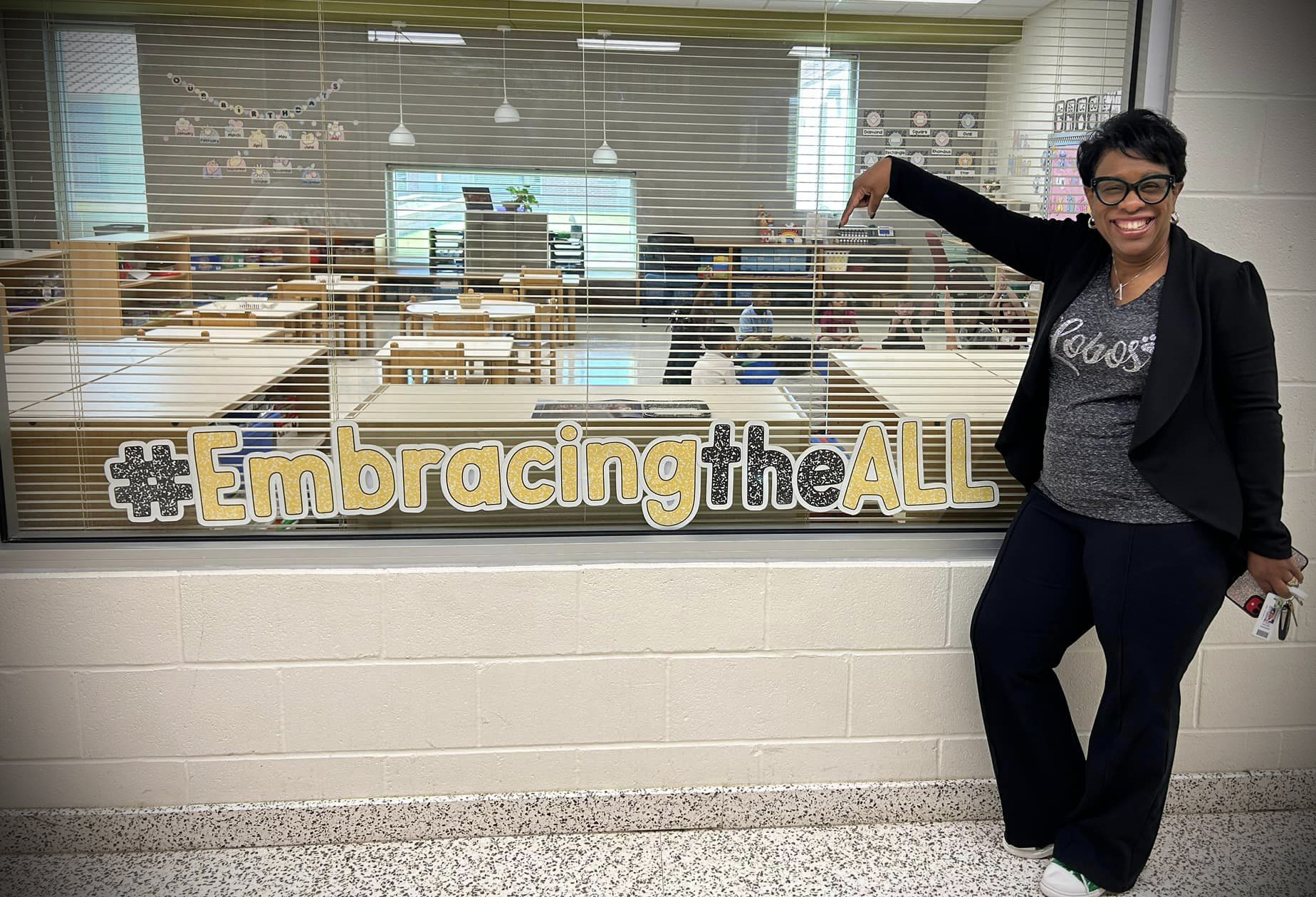 Within her first weeks, the new Superintendent launched a 100-Day Plan, sharpened internal reporting structures, made key staffing changes to leadership, and gave clear directives across the leadership team: no shortcuts, no surprises, and no empty symbolism. Substance first.
One of those early initiatives was the development of a public-facing bond portal, designed to give families, staff, and taxpayers access to real-time project documents, board updates, and design previews. Rather than functioning as a promotional tool, it was structured as a live repository—housing board presentations, updated renderings, timelines, and documentation for public review.
 “It isn't a marketing page,” said Ms. Elizabeth Ross, then Multimedia Coordinator. “It was a live filing cabinet—timelines, floorplans, vendor approvals. Everything people need to track progress themselves.”
In one of her first fiscal milestones, Dr. Sheppard oversaw the recommendation and board approval of a lowered tax rate, even after the bond passed. In August 2024, trustees adopted a reduced rate of $1.1082 per $100 of valuation, down from $1.1441 the previous year.
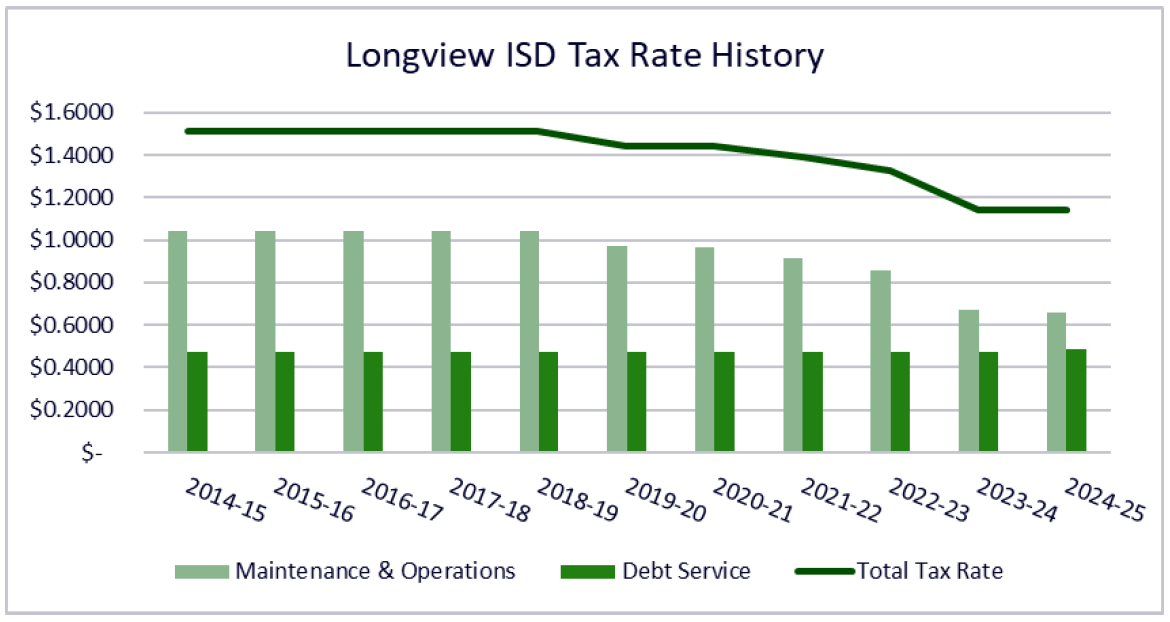
“It's my understanding that there were concerns that the May 2024 bond would automatically raise taxes,” said Dr. Sheppard. “But we’ve proven that smart management and honest planning can expand opportunity and protect taxpayers. The numbers speak for themselves.”
 As fall arrived, internal alignment deepened. Dr. Sheppard finalized several key Cabinet hires and began rebalancing executive responsibilities to match the complexity of bond execution. Among them: the late October hiring of Mr. Samuel Kington, an experienced facilities leader, brought on to oversee physical plant logistics, contractor coordination, and operational planning.
Mr. Kington’s arrival allowed Dr. Guidry to focus more sharply on financial modeling, bond draws, and fiscal compliance, while Kington took the reins on sequencing, site logistics, and pre-construction readiness.
Just weeks later, that division of labor would prove vital.
 On Nov. 22, 2024, while staffers were home for Thanksgiving break, a fire broke out at the Longview ISD Education Support Center. The administrative headquarters was shut down. The building sustained significant smoke damage. And the entire central office team had to be relocated in a matter of days.
“There wasn’t time to process it emotionally,” said Dr. Guidry. “Everyone just adapted. Found a new chair or desk. Opened their laptops. Kept moving.”
Mr. Kington, barely a month into the job, was tasked with orchestrating the relocation, ensuring campus support, bond planning, HR, finance, and transportation could continue uninterrupted.
“Continuity was the goal,” he said. “We had projects in motion, vendors waiting, schedules unfolding. So we split up, reassigned spaces, and got to work. It wasn’t perfect. But it worked.”
Thankfully, on November 11—just days before the fire—the Board had approved contracts with major construction firms CDI and SCI for key facility upgrades. Those agreements were a major turning point, confirming that the bond effort was already in motion before the disruption required the administrative team to relocate.
 Nevertheless, despite the disruption, internal bond timelines stayed intact. In the final weeks of 2024, schematic designs advanced. Security upgrades were implemented across multiple campuses. And internal planning documents began taking the shape of actual execution schedules.
Beneath the surface of design and logistics, the district’s financial office was quietly pulling off one of the least visible—but most important—success stories of the entire first year: maintaining solvency, minimizing borrowing impact, and protecting the community’s tax posture.
 “No one’s going to throw a parade for a lower interest yield,” said Dr. Guidry with a smile. “But that’s the kind of thing that saves districts millions. And that’s how you earn people’s trust back.”
In the coming months, the Board would formally approved construction contracts with CDI for the natatorium and SCI for the district’s new multipurpose indoor facility. These formal agreements marked a pivotal threshold: Longview ISD had officially moved from planning to pre-construction execution on two of the bond’s most complex new-build projects.
“We don’t move with noise,” said Dr. Sheppard. “We move with precision. These contracts are the quiet proof that the work is real.”
Still, district leaders remained cautious about how—and when—to promote accomplishments publicly.
“There was real progress happening,” said Mr. Prosser. “But we didn’t want to shout before we had something to show. We wanted our first public-facing moves to be meaningful, not performative.”
Part III: The Planning Year
If the first few months after the bond passed were about alignment, the new year was about architecture, not of buildings, but of systems.
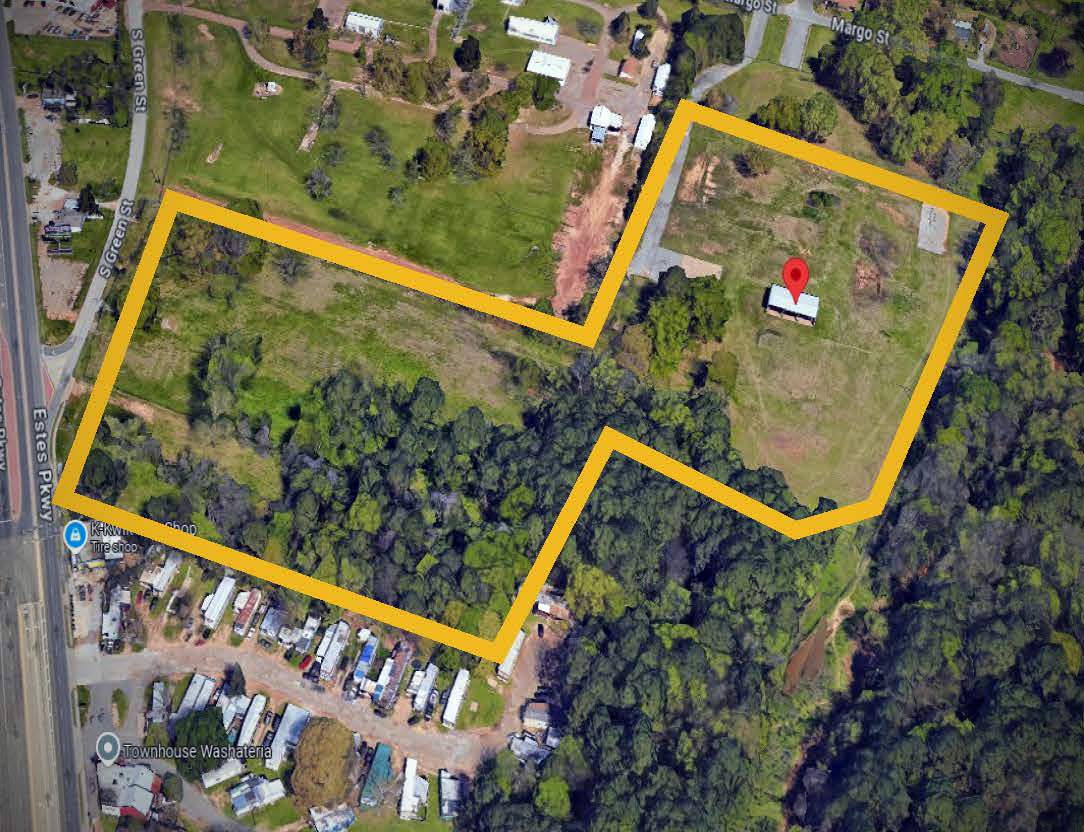 By January 2025, Longview ISD had moved firmly into what leaders referred to as the “deep planning phase.” At a glance, the bond still looked invisible to the casual observer. But inside boardrooms, classrooms, and on-site meetings, dozens of micro-milestones were taking shape—carefully, deliberately, and without fanfare.
“We weren’t looking for headlines,” said Superintendent Dr. Marla Sheppard. “We were looking for stability. Because once construction begins, you want the messiness of building, not the messiness of disorganization.”
Throughout the spring, schematic designs for the Natatorium, Career and Technical Education center, and Multipurpose indoor facility continued to evolve. Architects worked closely with instructional leaders to revise layouts, clarify programmatic needs, and align designs with educational priorities.
“This is where bond work becomes educational work,” added Dr. Sheppard. “We’re not just putting up buildings—we’re setting the conditions for stronger instruction, deeper engagement, and better outcomes.”
 January’s board meeting provided one of the clearest benchmarks to date: the district reported more than $4.8 million in bond-related savings, achieved through early negotiations, conservative estimates, and smart sequencing of vendor timelines.
Part of that financial strength came from how the bond itself was structured. By staggering propositions and using conservative assumptions for long-term growth, Longview ISD was able to avoid an immediate spike in the effective tax rate, a point of concern for many voters during the campaign.
“We didn’t just pass a bond,” said Dr. Guidry. “We passed it responsibly. Every phase was designed to avoid overburdening homeowners while still addressing urgent needs.”
Dr. Sheppard agreed, and echoed Dr. Guidy's sentiment.
 “Every dollar we save without sacrificing quality is a win for the taxpayer,” said Dr. Sheppard. “And we’re doing it without compromising scope or delaying timelines.”
These savings (formally reported to the Board in March 2025) followed a series of rebids and pre-construction cost optimizations. Rather than simply estimating efficiencies, the district had already locked in real financial wins, without compromising scope or quality.
Behind the scenes, logistical execution was intensifying.
Mr. Kington, now fully established in his role as Chief of Facilities & Operations, was spearheading coordination between architects, consultants, vendors, and district teams. From construction document reviews to early phasing conversations, Kington’s mission was clear: make the messy work invisible.
“This is the part the public never sees,” said Mr. Kington. “But it’s where everything either succeeds or stumbles. It’s all planning, prep, and sequencing—so that when we go to build, we can just build.”
 Longview ISD also tapped longtime Maintenance Supervisor Mr. Mike Gipson to serve as the district’s Bond Construction Manager beginning in January. With more than two decades of experience on the ground, Gipson brought practical familiarity with campus layouts, legacy infrastructure, and district-level project coordination.
“We’ve been working with architects to make sure they understand how these buildings actually run,” Mr. Gipson said. “It’s not just what looks good on paper. It’s what lasts.”
While visible construction remained months away, progress was constant: bid packages were being assembled. Zoning and permitting conversations were underway. Site access logistics were being modeled. And key milestones were being tracked internally, not for optics, but for accuracy.
But one notable exception to this relative "quiet" was security infrastructure. By early 2025, safety upgrades funded through Proposition E were already being installed at multiple campuses, including enhanced access controls, surveillance system improvements, and standardized perimeter reinforcements.
 Communications during this phase remained intentionally subdued. With much of the bond work still tied up in architectural review cycles, procurement planning, and board approvals, district leaders prioritized internal alignment over external promotion.
“We didn’t want to send out a bunch of premature updates,” said Mr. Prosser. “We wanted the story to follow the work, not the other way around.
Instead, LISD staff focused on strengthening cross-departmental systems: integrating curriculum and facilities planning, clarifying scope of work documents, and ensuring that long-lead equipment and staging needs were mapped to real timelines.
By late spring, district leaders began modeling tentative construction calendars for the end of the calendar year, optimizing for minimal disruption and maximum coordination. No dates were announced.
But the language was shifting from if to when.
“This is the quietest part of the bond,” said Mr. Kington. “But it might be the most important. Because once we’re vertical, there’s no room to hesitate. And we’re making sure we won’t have to.”
Part IV: Laying Foundations
One year after Longview voters approved the district’s historic bond, the most critical phase of the work is already underway—not in dirt or steel, but in blueprints, contracts, cost models, and operational architecture.
“A lot of this first-year work is backend infrastructure,” said Mr. Gipson. “Things like utility easements, fire lanes, stormwater drainage—stuff that has to be right before the first slab ever gets poured.”
The image might not be dramatic. There are no cranes. No concrete has been poured. But inside the system, something more important has been happening: readiness.
“This year has been about setting the table for everything that comes next,” said Mr. Kington. “Because when you’re managing dozens of projects with this much scope and this many moving parts, the worst thing you can do is rush out of the gate without alignment. We’ve been building the bones of this thing, so when it’s time to launch, we’re not figuring it out. We’re executing.”
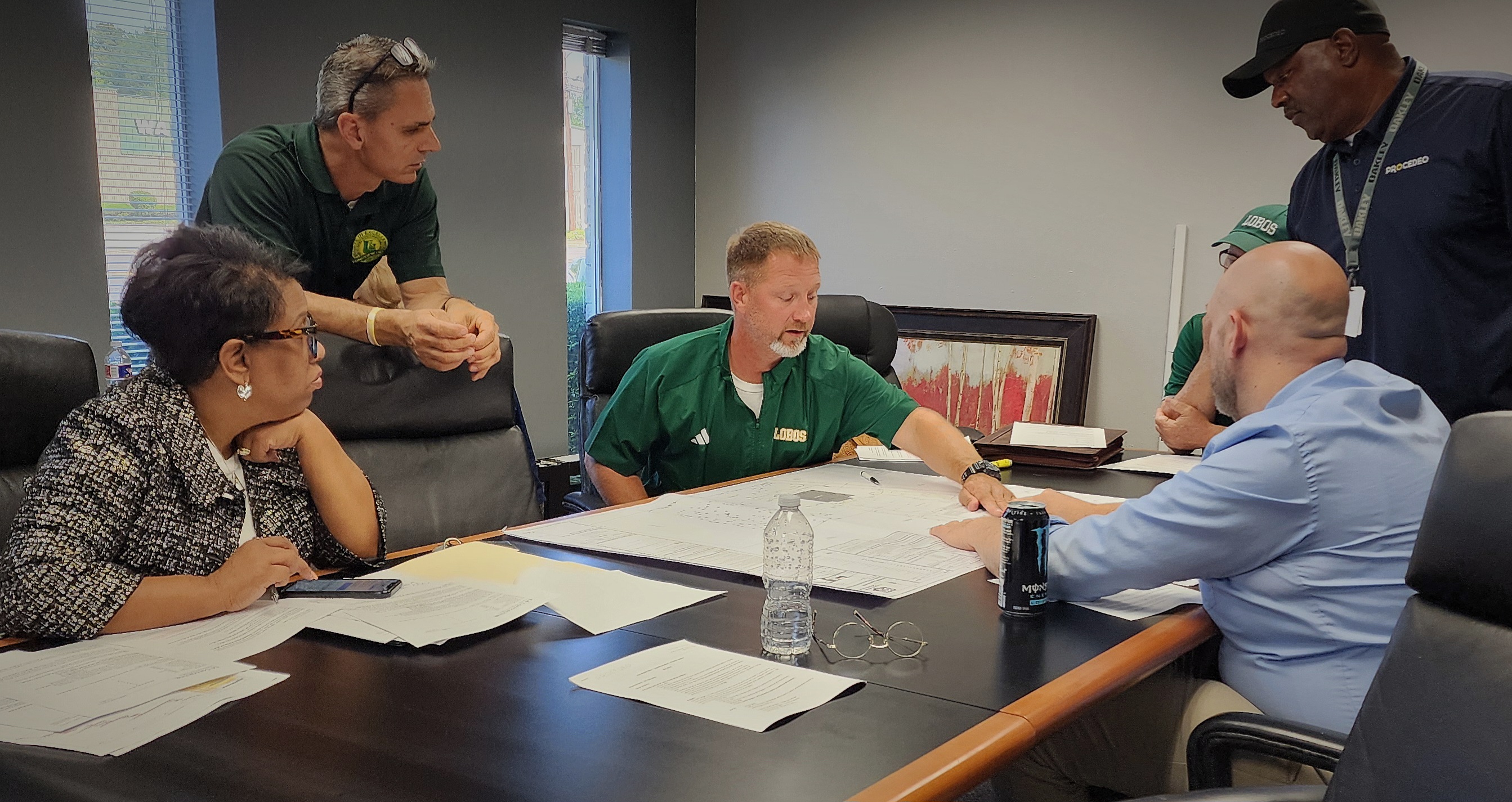
Mr. Kington and his team have spent the spring immersed in granular preparation: coordinating construction document sets for each major facility, finalizing room schedules and systems layouts, crosswalking square footage against curriculum needs, and anticipating vendor staging logistics well in advance.
“For projects of this scale, you can't just jump in and hope for the best," he said. "It takes painstaking preparation. You've got to assemble the scaffolding before you build the cathedral."
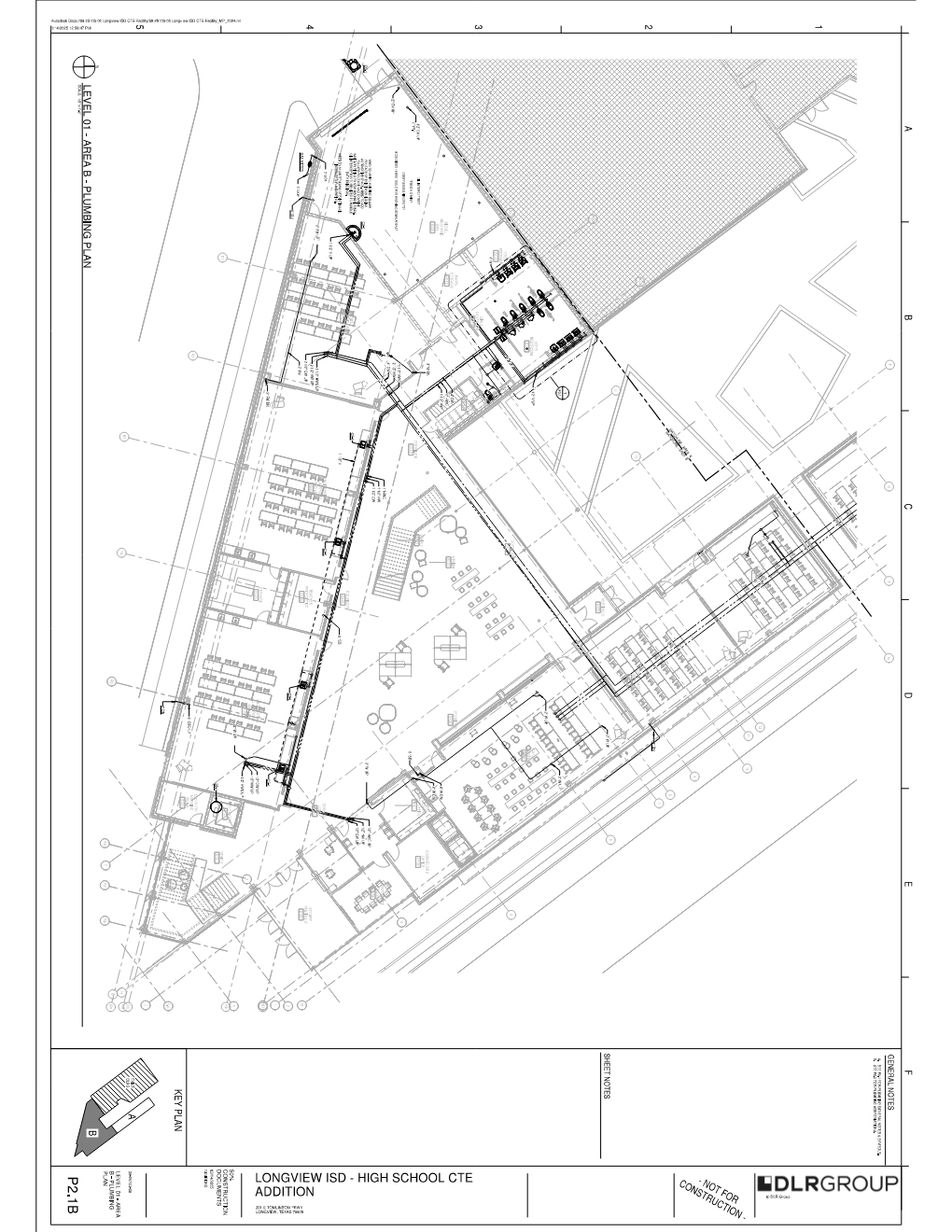
Each document package—especially for high-complexity sites like the CTE Center and the natatorium—includes hundreds of pages of drawings, specifications, engineering details, safety schematics, and pre-permitting notes. And each one must be reviewed line by line.
“There are decisions baked into these drawings that will shape the next 40 years of instruction,” said Dr. Sheppard. “Where the lights are placed. How students enter and exit a space. Where career prep labs plug in their equipment. This is where mission meets masonry.”
Dr. Guidry, who continues to oversee fiscal governance with his team in the Business Office, has remained focused on protecting the district’s long-range financial posture.
“This isn’t just about buildings,” he said. “It’s about liquidity, cash flow timing, cost escalators, bid sequencing. Our job is to make sure every dollar is working efficiently and transparently.”
Dr. Guidry’s team has been modeling budget scenarios for phased construction start dates, comparing inflation-adjusted materials costs against timeline buffers, and preparing bond draws based on real-time financial benchmarks.
“This bond is a living portfolio,” he said. “And our responsibility is to manage it like one.”
One quiet but significant development was the launch of the district’s new IonWave digital procurement system in November 2024. Designed to bring greater transparency and efficiency to vendor bidding, the platform became central to how LISD tracked, evaluated, and awarded bond-related contracts.
"IonWave stands to be a game changer for procurement in Longview ISD," said Dr. Guidry. "Not only for all these bond-related projects, but for the foreseeable future in how the District awards bids with full transparency and stakeholder accountability."
Meanwhile, Mr. Kington has led coordination meetings between architects, contractors, and site-based staff to identify campus-specific challenges, such as bus loops, staging zones, parking access, and demolition sequencing. Every campus has different constraints, and the timeline must reflect that.
“We’re not going to bulldoze our way in,” Kington said. “We’re going to sequence this work so that learning can continue with minimal disruption. That means moving in waves, with precision.”
The district’s goal remains clear: ensure that mobilization begins near the end of the 2025 calendar year. To make that happen, every detail must be complete—bid-ready documents, procurement alignment, utility studies, permitting schedules, and internal communications protocols for launch-phase execution.
Longview ISD has partnered with Procedeo, a highly regarded program management firm with extensive experience in public sector capital projects. Procedeo’s role has centered on coordinating timelines, overseeing compliance for new builds, and aligning architectural milestones with district expectations.
 Mr. Paul Miller, who serves as Procedeo’s liaison to Longview ISD, has worked closely with both central administration and third-party contractors to ensure that projects remain on pace and aligned to spec.
Procedeo's efforts have included timeline modeling, design-stage reviews, and the early stages of permitting and procurement planning—laying the groundwork for successful vertical construction in 2025.
While Procedeo focused on the new facilities authorized under Propositions A and B, the renovation of existing campuses fell under the direction of E4, led by veteran builder Mr. John Erickson.
 Known for his unpretentious style and expert eye, Mr. Erickson’s team was tasked with identifying what could be addressed immediately within active campuses—and executing it without disrupting daily operations.
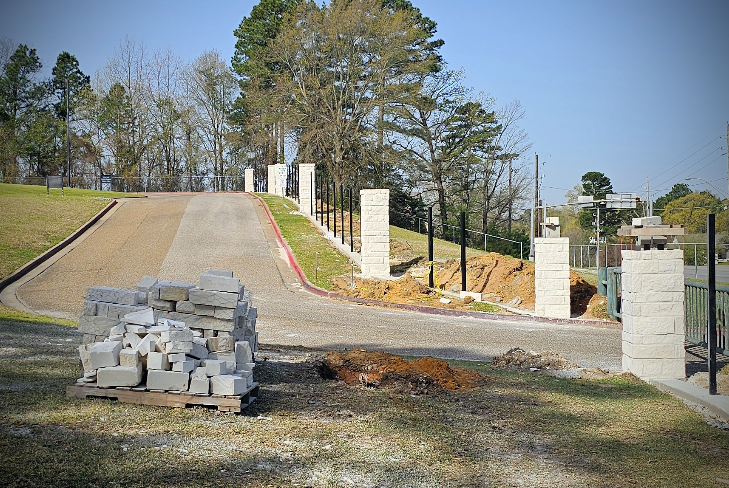
E4's priority list wasn’t glamorous, but it was urgent: perimeter fencing at Longview High School, safety upgrades at front entry points, and functionality fixes that most stakeholders would never see but every campus would feel. These early wins offered a quiet but visible reminder that the bond was already at work.
“The first thing we did was look at what we could fix right now,” said Mr. Erickson. “Not what looked nice in a rendering. What actually mattered. Security. Functionality. Frontline issues. And that’s what we handled. Next comes the bigger lift—tying the old bones to the new build so it all works together.”
While the Communications and Community Relations departments have kept the public informed through board updates and regular postings online, LISD has intentionally avoided overstating visible progress.
“There hasn’t been as much external messaging as one might think—and that’s okay,” said Mr. Prosser. “This was always the quiet phase. We’ll speak louder when there’s something tangible to show. Right now, we’re speaking through systems, planning, and design.”
Still, internally, the shift is palpable. Staff from across departments—technology, child nutrition, security, curriculum and instruction—have been engaged in bond prep conversations. From furniture specs to telecom system upgrades, teams are laying the groundwork for what comes next.
“This isn’t just a facilities project,” said Mr. Kington. “It’s a districtwide transformation effort. And every department is on the runway.”
With each passing week, the checklists get shorter. The documents get tighter. The vision becomes more tangible. And while the outside world may not yet see it, inside Longview ISD, the sense of momentum is unmistakable.
“We’re not waiting,” said Dr. Guidry. “We’re preparing. And when construction begins, it’s not going to feel like the beginning—it’s going to feel like a continuation of everything we’ve already built.”
Part V: A Year Later...
One year in, the buildings haven’t gone vertical. But the systems have.
And by every internal measure that matters, Longview ISD has used this first year exactly as planned—to prepare, align, and position the district for a successful, sustained launch.
Since voters approved the district’s $456.2 million bond in May 2024, the work has been steady, disciplined, and highly coordinated.
“It’s not flashy work, but it’s what keeps a job from stalling out once construction starts,” said Mr. Gipson. “We’re lining up subs, coordinating staging areas, and making sure nobody’s stepping on each other when it’s time to move.”
From design development to construction documentation, from bid sequencing to compliance modeling, every major facility and safety project in the bond package has advanced to its final stages of pre-construction.
“This has been the planning year,” said Mr. Kington. “And not just planning on paper—planning through action. Through meetings, modeling, reviewing, refining. We’ve been setting this up so that when we start, we start clean.”
 District officials now anticipate initial construction mobilization by the end of 2025, with groundwork potentially beginning during the winter break. Until then, the effort remains focused on finalizing documents, aligning vendors, securing permits, and preparing campuses for phased implementation.
Meanwhile, the district has:
Finalized design and construction documentation for multiple major bond projects
Captured more than $4.8 million in cost savings through early fiscal discipline
Installed enhanced security upgrades across several campuses
Reorganized operational oversight for maximum alignment and accountability
Maintained consistent transparency through board updates and district website
Continued to keep the tax rate low and the financial posture strong
“There’s a maturity to how we’ve handled this year,” said Mr. Prosser. “We didn’t chase headlines. We didn’t overpromise. We did the work—quietly, thoroughly, and with an eye on the long game.”
Dr. Guidry echoed that perspective.
“Anyone can rush into construction and figure it out as they go,” he said. “That’s not who we are. We’ve set this up so that when we do go vertical, we’re not reacting—we’re delivering.”
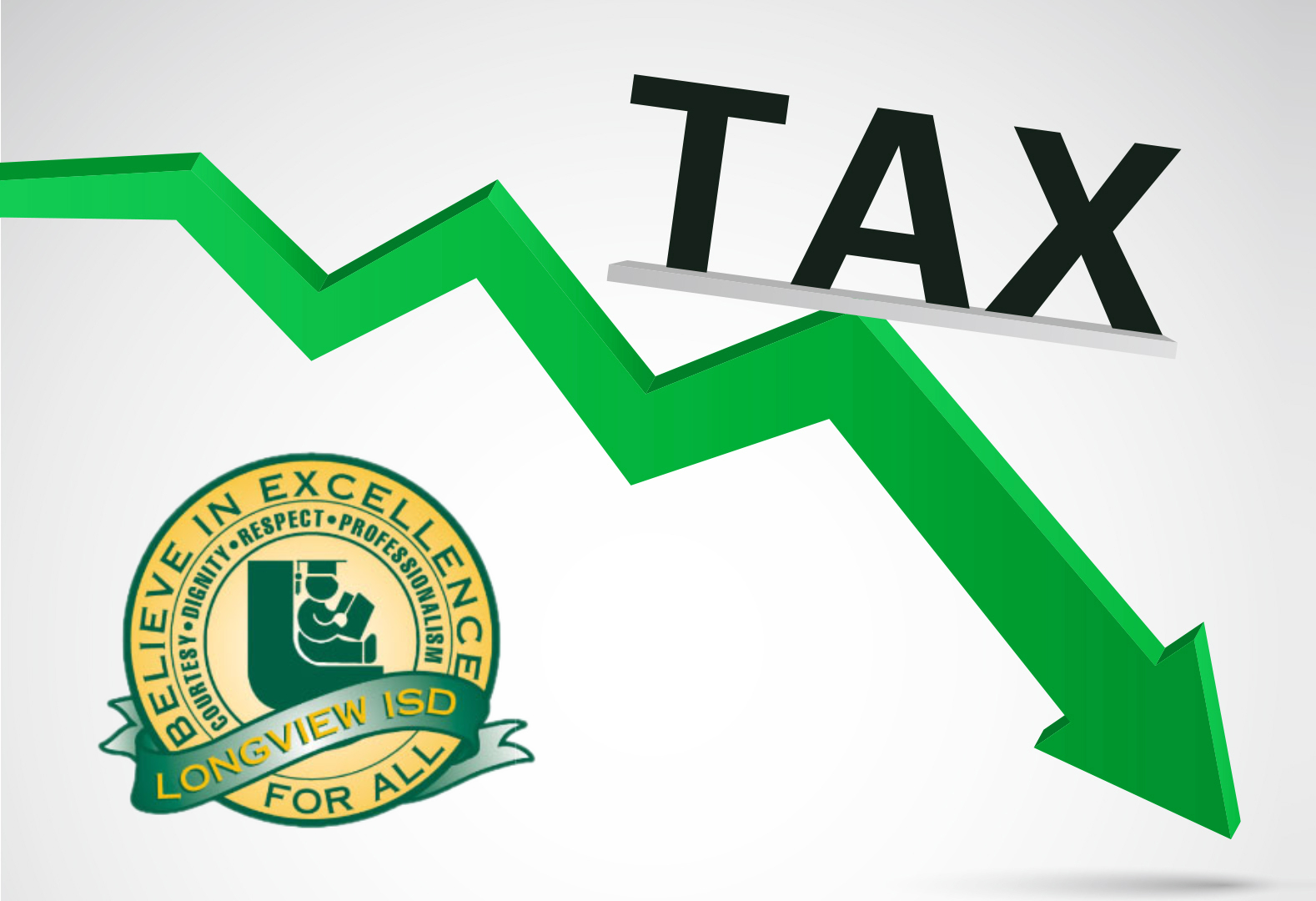 While some voices in the community had predicted steep and irreversible tax increases, reality has told a different story: the tax rate went down, services remained stable, and bond implementation is proceeding under budget.
Mr. Prosser said that those who voted "Yes" on all five bond propositions bet on responsible project management, fiscal stewardship, and good governance.
"And so far, that bet is paying off," he said.
Dr. Guidry agreed.
“We never said just ‘trust us,’ we said ‘watch us,’” he said. “And now the public can see: their dollars are being managed with care, integrity, and long-term vision.”
While public-facing communications around the bond have remained measured, internal coordination has only intensified. Cross-departmental teams meet weekly. Consultants are fully engaged. Scope alignment is being checked and rechecked to ensure each project opens on time and to spec.
“We’re not just preparing for construction,” said Mr. Kington. “We’re preparing for implementation—technology, safety, staffing, student flow. Everything that has to be ready the day a building opens.”
And while district leadership has resisted premature celebration, there’s no hesitation about what this bond represents—or what’s coming next.
“Longview ISD didn’t just pass a bond,” said Dr. Sheppard. “We accepted a challenge. We made a promise to our community—and we’ve spent this entire year honoring that promise through discipline, focus, and teamwork."